

Feline Upper Respiratory Infections: What’s Normal vs. Concerning
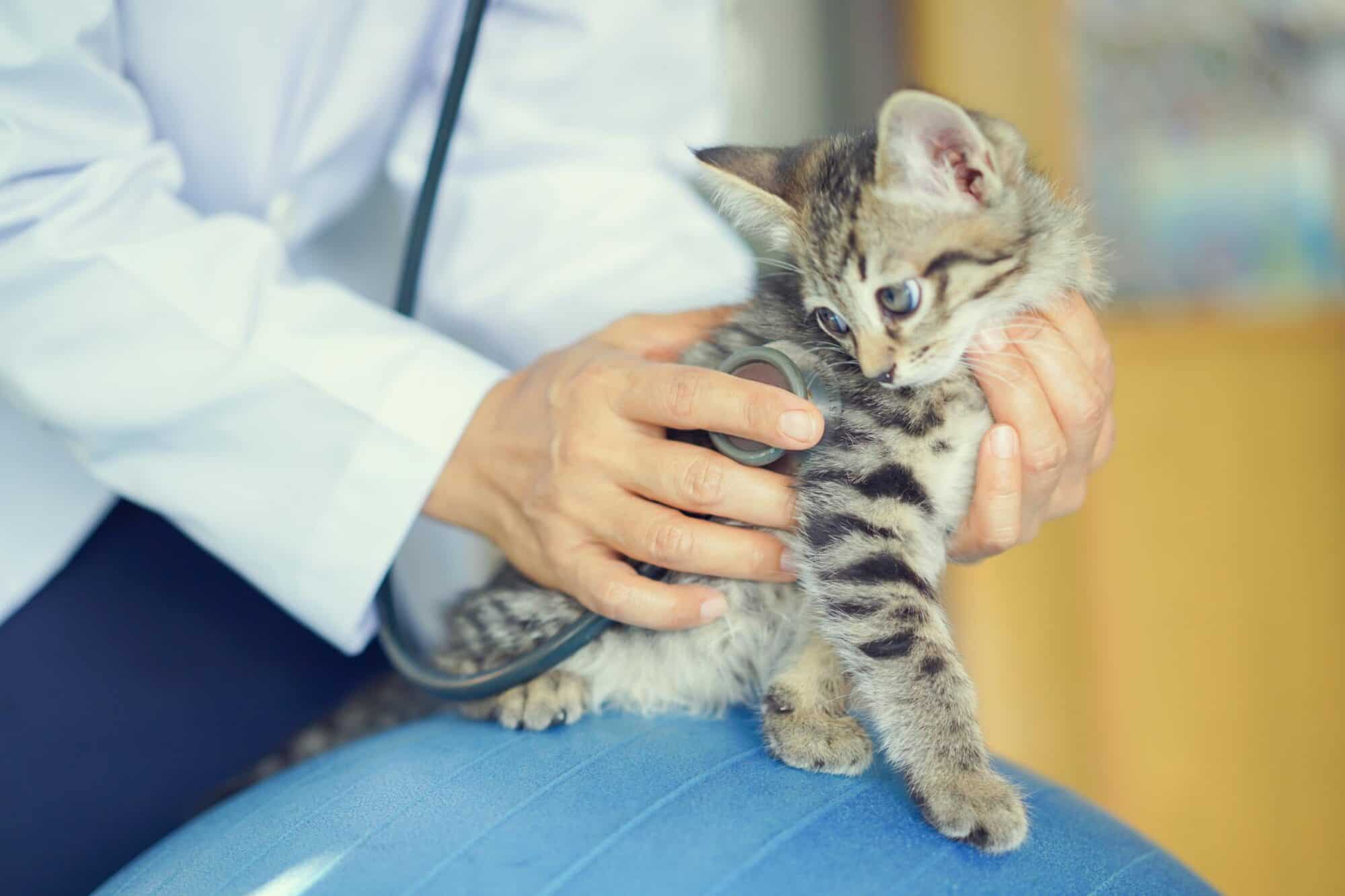
It’s not unusual for cats to sneeze now and then, especially after exploring a dusty corner or sniffing something new. But when sneezing becomes frequent, persistent, or paired with other symptoms, it may point to a feline upper respiratory infection (URI).
At Sacramento Cat Hospital, we often see concerned cat parents asking the same question: Is this something mild… or something more serious? Knowing what’s normal—and what’s not—can help you act quickly and confidently.
Cat Sneezing a Lot: When to Watch and When to Worry
Occasional sneezing is common. A cat sneezing a lot, however, deserves attention, especially if it lasts more than a few days. Cats rely heavily on their sense of smell to eat, so congestion alone can quickly become a bigger problem.
If your cat is sneezing occasionally and otherwise is content, active, and eating normally, it could simply be a case of mild congestion or irritation. Watch for any nasal or eye discharge, and make sure symptoms resolve within a day or two.
Cat sneezing becomes concerning when it worsens and is accompanied by other symptoms, such as discharge from the nose or eyes, lethargy or hiding, or a reduced appetite.
Common Cat URI Symptoms to Recognize Early
Upper respiratory infections in cats are often caused by viruses, sometimes with secondary bacterial infections. Early recognition helps prevent complications and speeds recovery, particularly for kittens, senior cats, and immunocompromised cats.
Typical cat URI symptoms include:
- Sneezing and nasal congestion
- Watery or thick nasal discharge
- Eye discharge or squinting
- Fever
- Lethargy
- Decreased appetite
Cat Nasal Discharge Causes and Clues
Understanding cat nasal discharge causes can offer important clues about what’s going on. Clear discharge may suggest a viral infection in the early stages, or mild irritation or allergies. But thick, yellow, green, or bloody discharge may indicate a bacterial infection, advanced inflammation, or chronic respiratory disease.
Why “Waiting It Out” Isn’t Always Best
Early treatment can shorten illness duration and improve comfort, especially in vulnerable cats. Some mild URIs resolve with supportive care, but others lead to:
- Dehydration due to reduced eating and drinking
- Eye ulcers or chronic eye issues
- Secondary bacterial infections
- Long-term respiratory complications
How Sacramento Cat Hospital Can Help
Diagnosing and managing a feline upper respiratory infection typically involves a thorough physical exam, diagnostic testing, supportive care to ease congestion and discomfort, and medications to manage secondary infections or inflammation.
Our feline-friendly team understands how stressful respiratory illness can be for cats and their humans, and we tailor care to each patient’s needs.
The Bottom Line
A little sneeze now and then is normal. A cat sneezing a lot, showing multiple cat URI symptoms, or developing ongoing nasal discharge is not something to ignore.
If you’re unsure whether your cat’s symptoms are mild or concerning, our experienced team is here to help. Schedule an appointment today so your cat can breathe easier—and feel better—sooner.