
Why Is My Cat Not Eating, but Still Drinking Water?
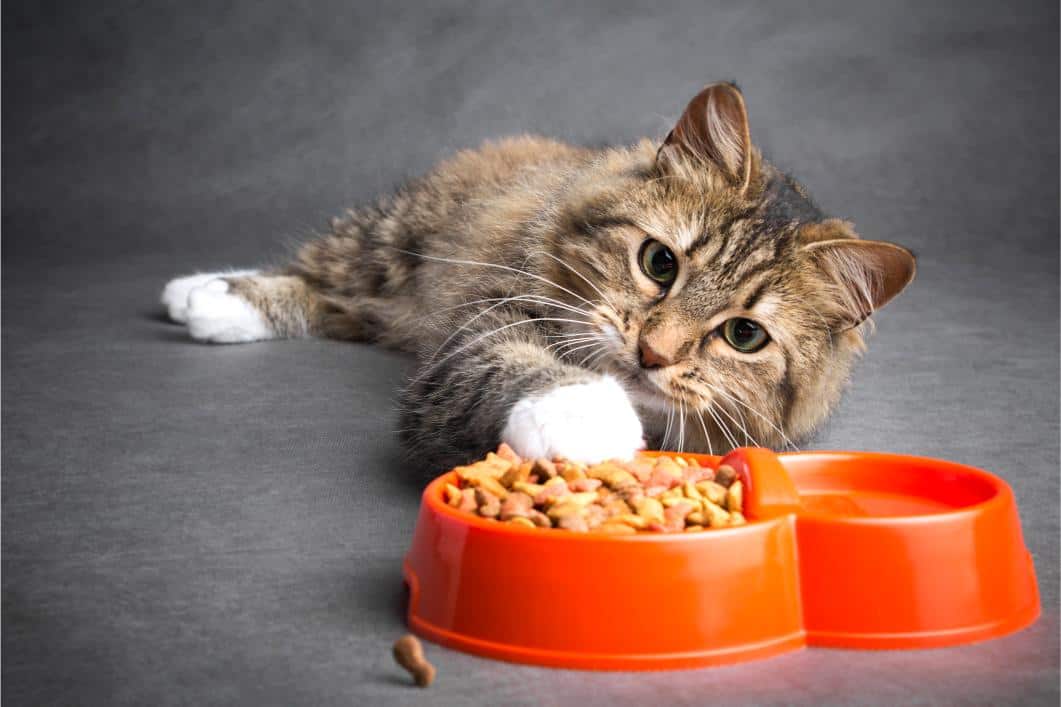
Few things unsettle a cat parent like a full bowl of food and a feline who simply turns away. If your cat is not eating, but still drinking water, the contrast can feel confusing. Is your cat quietly protesting a minor disruption to her routine, or is her refusal to eat one of the more serious sick cat signs?
While some cats skip a meal now and then, persistent appetite loss in cats deserves careful attention. In this blog, our feline-focused team at Sacramento Cat Hospital explores the reasons for appetite loss in cats to help you determine when it’s a fleeting finicky phase, and when it warrants a vet visit.
The ‘Why’ Behind a Cat Not Eating But Drinking
Water and appetite are regulated differently in the body. A cat may continue sipping while declining dinner for several reasons, including:
- Dental pain that makes chewing uncomfortable
- Nausea or stomach upset
- Anxiety or environmental changes (a recent move, a new pet, a new family member)
- Introduction of a new food
- Underlying illness
Because cats are subtle communicators, appetite loss in cats is often one of the earliest warning signs that something is amiss.
When Appetite Loss Signals Something Serious
If your cat refuses food for more than 24 hours, especially if paired with other changes, it is time to investigate. Watch for:
- Weight loss
- Lethargy or hiding
- Vomiting or diarrhea
- Increased thirst
- Changes in litter box habits
Kidney Disease in Cats Symptoms
One important condition to consider is kidney disease in cats. Early kidney disease in cats symptoms may include:
- Increased thirst
- Increased urination
- Gradual appetite decline
Kidney disease often progresses quietly, so early detection is key. Cats who are drinking more while eating less should always be examined by a veterinarian.
At Sacramento Cat Hospital, our veterinary team can evaluate appetite loss in cats with targeted diagnostics, including bloodwork and urinalysis. Identifying the root cause allows for tailored treatment and supportive care.
Why Prompt Care Matters
Unlike some species, cats are not built for prolonged fasting. Even a few days without adequate calories can lead to hepatic lipidosis, a serious liver condition. Swift evaluation protects both short-term comfort and long-term health.
The encouraging news is that many causes of appetite loss in cats are treatable. Dental disease can be addressed. Nausea can be controlled. Kidney disease, when caught early, can often be managed with diet, medication, and close monitoring.
Listening to Quiet Clues
Cats are masters of masking discomfort. A cat not eating but drinking may be offering a knowing nudge rather than a dramatic display. By noticing subtle shifts and acting promptly, you transform uncertainty into proactive care.
Please contact us at (916) 488-4161 if it’s time for your cat’s wellness visit or if you are noticing sick cat signs.